
-
NEAR Protocol (NEAR): Revolutionizing Blockchain with Speed, Simplicity, and Scalability

In the evolving world of blockchain technology, NEAR Protocol (NEAR) stands out as a next-generation platform focused on usability, performance, and developer accessibility. Designed to power decentralized applications (dApps) at scale, NEAR combines sharding technology with user-friendly features to create a powerful, permissionless layer-one blockchain. As the crypto market seeks alternatives to Ethereum’s congestion and high fees, NEAR emerges as a strong contender.
In this article, we explore the use cases, adoption trends, strengths, weaknesses, competitor comparisons, and future price predictions of NEAR Protocol — giving you a complete overview of what makes NEAR a project worth watching.
What is NEAR Protocol?
NEAR Protocol is a decentralized, open-source, proof-of-stake blockchain built to support high-performance decentralized applications. It uses a unique scaling solution called Nightshade sharding, which splits the blockchain into multiple pieces (shards), allowing parallel transaction processing and significantly improving scalability.
What sets NEAR apart is its focus on developer and user experience. With human-readable account names (e.g., “john.near” instead of long cryptographic strings), easy wallet integration, and low transaction fees, NEAR aims to make blockchain accessible for mainstream users and developers alike.
Real-World Use Cases of NEAR Protocol
NEAR has a growing ecosystem of dApps and real-world applications across multiple sectors. Some notable use cases include:
1. Decentralized Finance (DeFi)
NEAR is becoming a home for various DeFi protocols such as Ref Finance, Burrow, and Aurora — an Ethereum Virtual Machine (EVM) built on NEAR. Aurora allows developers to run Ethereum-compatible smart contracts at a fraction of the cost.
2. NFT Marketplaces
The NEAR ecosystem supports NFT projects and marketplaces like Paras and Mintbase, which offer low-cost minting and seamless UX/UI experiences. This reduces barriers for artists and collectors to enter the NFT space.
3. Gaming and Metaverse
Play-to-earn (P2E) and blockchain-based gaming platforms such as Near Lands and Reality Chain leverage NEAR’s scalability and speed for immersive experiences.
4. Sustainable and Social Projects
NEAR supports several initiatives related to climate, regenerative finance (ReFi), and DAOs (Decentralized Autonomous Organizations), aiming to build a more equitable and sustainable future.
Adoption and Ecosystem Growth
Since its mainnet launch in October 2020, NEAR has seen steady adoption by both users and developers. As of mid-2025, NEAR has:
- Millions of accounts and wallets created.
- Hundreds of active developers and contributors.
- A growing number of bridges to other chains (e.g., Ethereum, Solana, Cosmos).
- Strong support from the NEAR Foundation and funding from VCs such as Andreessen Horowitz and Pantera Capital.
The launch of the Blockchain Operating System (BOS) in 2023 was a significant milestone. BOS is a composable, chain-agnostic layer designed to make Web3 apps more accessible — aiming to unify fragmented blockchain user experiences.
Advantages and Strengths of NEAR Protocol
NEAR boasts several advantages that differentiate it from competitors:
1. High Throughput and Scalability
Thanks to Nightshade sharding, NEAR can handle thousands of transactions per second (TPS), scaling horizontally as the number of validators increases.
2. Low Fees
Transactions on NEAR cost just a fraction of a cent, making it ideal for microtransactions and user-friendly dApps.
3. Developer-Centric
NEAR offers robust SDKs, easy smart contract deployment in multiple languages (including Rust and JavaScript), and a supportive community.
4. User-Focused UX
Features like email-style addresses, simplified onboarding, and seamless wallet integration make NEAR highly accessible, even to non-technical users.
5. Interoperability
Through Rainbow Bridge and Aurora, NEAR can seamlessly interact with Ethereum assets and dApps, increasing its utility and liquidity.
Weaknesses and Challenges
Despite its strengths, NEAR is not without challenges:
1. Lower Brand Recognition
Compared to giants like Ethereum and Solana, NEAR still lags in mainstream brand awareness and developer mindshare.
2. Competition in Layer-One Space
The L1 space is crowded with platforms like Avalanche, Polkadot, and Cardano all vying for dominance. Gaining market share remains a constant battle.
3. Limited Institutional Adoption
While the ecosystem is growing, NEAR still has fewer major institutional partnerships compared to Ethereum or Polygon.
4. Dependence on Ecosystem Development
NEAR’s success heavily relies on continued growth of its ecosystem. If developer interest stalls, adoption may suffer.
NEAR vs. Its Biggest Competitors
Let’s briefly compare NEAR with some of the most prominent Layer-1 protocols:
Feature NEAR Ethereum Solana Avalanche Consensus Proof-of-Stake PoS (since Merge) PoH + PoS Snowman PoS TPS ~100,000 (theoretical) ~30-50 ~65,000+ ~4,500 Fees Extremely low High Low Moderate Interoperability High (via bridges) High Moderate Moderate EVM Compatible Yes (Aurora) Native Not directly Yes NEAR offers a compelling balance of speed, cost-efficiency, and developer friendliness — making it one of the most well-rounded platforms in the space.
Price Outlook and Future Predictions
As of mid-2025, NEAR is trading in the range of $5 to $7, recovering steadily from the broader bear market in 2022-2023. Based on current trends and increased adoption, here are a few future price scenarios:
Short-Term (2025)
If bullish momentum continues and more dApps launch on the BOS, NEAR could see prices between $10 to $15 by year-end.
Mid-Term (2026)
With strong partnerships, growing developer interest, and a broader crypto bull run, NEAR may push towards the $20 to $30 range.
Long-Term (2027 and beyond)
If NEAR cements itself as a leading platform for mainstream blockchain apps, it could rival the likes of Solana or even approach $50+, depending on market conditions and technological advancements.
Final Thoughts: Is NEAR a Sleeping Giant?
NEAR Protocol is more than just another blockchain. It represents a serious attempt to solve many of the core usability and scalability challenges plaguing existing networks. With innovative features, a passionate development team, and a growing ecosystem, NEAR has the potential to become a foundational layer of Web3.
Whether you’re a developer, investor, or just crypto-curious, NEAR is a project worth keeping an eye on. Its balance of technical excellence, user-focused design, and visionary leadership position it as a strong contender in the race for blockchain adoption.
As the industry matures, NEAR may just become the go-to platform for building the future of decentralized applications.
-
Cardano (ADA): A Research-Driven Blockchain Built for the Future

The cryptocurrency world is evolving rapidly, and among the many blockchain projects competing for dominance, Cardano (ADA) stands out for its scientific approach, peer-reviewed development, and strong focus on sustainability and scalability. Launched as a third-generation blockchain, Cardano aims to solve the limitations of earlier platforms like Bitcoin and Ethereum by offering a more balanced and robust ecosystem.
This blog post explores Cardano’s development journey, its practical use cases, technical advantages, weaknesses, competitors, long-term opportunities, and price predictions — providing a comprehensive overview for crypto investors and blockchain enthusiasts.
What is Cardano (ADA)?
Cardano is a decentralized, open-source blockchain platform designed for building and running smart contracts, decentralized applications (dApps), and financial products without centralized control. The platform’s native cryptocurrency is ADA, named after Ada Lovelace, a 19th-century mathematician often regarded as the first computer programmer.
What sets Cardano apart is its research-first philosophy. The platform is developed based on peer-reviewed academic research and undergoes formal verification, a process used to mathematically prove the correctness of code. This scientific foundation aims to provide greater security, reliability, and scalability.
Development of Cardano
Cardano was founded in 2015 by Charles Hoskinson, a co-founder of Ethereum. The blockchain is developed by three key organizations:
- IOHK (Input Output Hong Kong): Handles core development and research.
- Cardano Foundation: Promotes adoption and governance.
- EMURGO: Drives commercial adoption and partnerships.
Cardano’s development is structured around five distinct phases, known as eras:
- Byron (Foundation Era) – Introduced ADA and basic network structure.
- Shelley (Decentralization Era) – Enabled staking and decentralized governance.
- Goguen (Smart Contracts Era) – Introduced Plutus for smart contracts.
- Basho (Scalability Era) – Focuses on performance optimization and sidechains.
- Voltaire (Governance Era) – Will bring full decentralized governance and treasury management.
This step-by-step approach ensures that every upgrade is tested thoroughly and integrated with minimal risk.
Use Cases of Cardano
- Smart Contracts and dApps
Cardano supports the creation of secure, programmable applications that operate without intermediaries — from DeFi platforms to identity systems. - Decentralized Finance (DeFi)
ADA is increasingly being used in staking, lending, and decentralized exchanges, contributing to Cardano’s role in the DeFi revolution. - Digital Identity Verification
In collaboration with governments and institutions, Cardano supports identity solutions, such as those implemented in education and supply chains. - Tokenization of Assets
Developers and businesses can create custom tokens on Cardano for gaming, real estate, or NFTs, using native asset features. - Sustainability and Governance
Cardano’s treasury system and governance model allow the community to fund development proposals, making it self-sustaining over time.
Strengths of Cardano
- Peer-Reviewed and Scientifically Backed
Every major upgrade on Cardano is based on academic research, giving it a level of rigor unmatched by most blockchain platforms. - Energy Efficient Consensus Mechanism
Cardano uses Ouroboros, a Proof-of-Stake (PoS) protocol that consumes far less energy than Bitcoin or Ethereum (pre-Merge), making it eco-friendly. - Strong Development Roadmap
The structured, phased rollout ensures long-term planning and reduces the risk of software bugs or hasty implementation. - Low Transaction Costs
Cardano offers fast and inexpensive transactions, making it practical for micro-transactions, DeFi operations, and daily use. - Decentralization and Community Governance
With thousands of stake pools worldwide, Cardano boasts strong decentralization and plans to transition to full community governance via Voltaire.
Weaknesses and Limitations
- Slow Development Pace
Cardano’s meticulous approach, while secure, leads to slower development compared to fast-moving competitors. - Late Entry into Smart Contracts
Ethereum and other platforms had smart contracts years earlier, which gave them a significant first-mover advantage in dApp ecosystems. - Limited dApp Adoption
Although Cardano has smart contract functionality, its dApp ecosystem is still relatively small compared to Ethereum or Solana. - Complex Programming Language
Cardano uses Plutus (based on Haskell), which is more complex than Solidity. This may deter some developers unfamiliar with functional programming. - Market Perception and FUD
Despite technical strengths, Cardano often faces skepticism from parts of the crypto community due to delays and overpromised timelines.
Comparison with Major Competitors
Ethereum
- Strengths: Most widely used smart contract platform, huge developer base.
- Cardano Advantage: Lower fees, better energy efficiency, formal verification for higher security.
Solana
- Strengths: High transaction throughput and vibrant NFT ecosystem.
- Cardano Advantage: Greater decentralization, fewer network outages, and a more sustainable consensus mechanism.
Polkadot
- Strengths: Interoperability and parachain architecture.
- Cardano Advantage: More structured governance and independent security model.
Avalanche
- Strengths: Customizable subnets, fast consensus.
- Cardano Advantage: Academic rigor, strong focus on governance and sustainability.
Algorand
- Strengths: High-speed finality and developer-friendly tools.
- Cardano Advantage: Larger community, better roadmap visibility, and long-term governance planning.
Opportunities for Cardano
- Emerging Market Adoption
Cardano is making inroads in Africa and Latin America through blockchain-based identity systems and agricultural tracking, potentially reaching millions of users. - Government and Enterprise Partnerships
With a reputation for reliability and compliance, Cardano is well-positioned to partner with governments and institutions for blockchain-based solutions. - DeFi and NFT Growth
As more developers build on Cardano, the network’s DeFi and NFT ecosystems are likely to expand significantly in the coming years. - Regulatory Alignment
Cardano’s transparency and focus on research may help it align with upcoming crypto regulations, giving it an edge in regulated markets. - Interoperability and Sidechains
The Basho era will introduce sidechains that could allow Cardano to interact with other blockchains and expand its utility across networks.
Future Price Predictions for ADA
While cryptocurrency markets are volatile and speculative, certain patterns and trends can guide future price expectations for ADA.
Bullish Scenario (2025–2027)
With increased adoption, major partnerships, and full implementation of Voltaire, ADA could trade between $3 to $7 per coin. In the most optimistic scenario, it may even surpass its previous all-time high if broader crypto markets trend bullish.
Moderate Scenario
Assuming steady development and moderate adoption, ADA could maintain a range of $1.50 to $3.00, acting as a stable platform with gradual gains in utility and value.
Bearish Scenario
If the platform struggles with adoption or competitors outpace its development, ADA may linger between $0.30 to $1.00, especially during market downturns.
Key Factors Impacting Price:
- Successful rollout of Voltaire and Basho upgrades
- Number of active dApps and DeFi protocols
- Growth in staking participation
- Institutional adoption and partnerships
- Global regulatory developments
Final Thoughts
Cardano is not just another cryptocurrency. It is a well-researched, thoughtfully developed platform with a clear mission: to create a more secure, sustainable, and inclusive blockchain infrastructure for the world. While its progress may seem slow to some, its deliberate approach could pay off in the long run.
For investors, developers, and blockchain enthusiasts seeking a project with strong fundamentals and a long-term vision, Cardano presents a compelling case. However, like any crypto project, it carries risks, and staying informed is key to making educated decisions.
With a solid foundation, growing community, and increasing real-world use cases, Cardano (ADA) may be one of the most resilient and impactful platforms in the next phase of the Web3 revolution.
-
Internet Computer Protocol (ICP): Revolutionizing the Future of the Decentralized Web

In the fast-evolving world of blockchain and decentralized technologies, few projects aim as high as the Internet Computer Protocol (ICP). Developed by the DFINITY Foundation, ICP represents an ambitious effort to re-imagine the internet as a decentralized, scalable, and secure platform where applications and services can run directly on-chain without relying on traditional cloud services.
This blog explores ICP’s core use cases, development journey, strengths, weaknesses, competitive landscape, and future price predictions to help investors, developers, and crypto enthusiasts better understand its potential in the blockchain ecosystem.
What is Internet Computer Protocol (ICP)?
Internet Computer Protocol (ICP) is a decentralized computing platform designed to extend the functionality of the internet. It aims to host smart contracts and decentralized applications (dApps) directly on the blockchain, rather than relying on off-chain infrastructure like Amazon Web Services or Google Cloud.
With ICP, developers can build web-scale applications and deploy them entirely on a decentralized network, creating a trustless internet where services can operate without intermediaries, censorship, or centralized control.
Development and Vision Behind ICP
ICP was launched by the DFINITY Foundation, a non-profit organization based in Switzerland. After several years of research and development, the project officially launched its mainnet in May 2021. Its founder, Dominic Williams, envisioned a blockchain-based platform that could rival the centralized internet as we know it today.
The development of ICP introduced several novel concepts:
- Chain Key Technology: Allows the network to run at internet speed, enabling web-scale applications with fast response times.
- Canisters: Advanced smart contracts that combine code and state to host complex applications with dynamic behavior.
- Network Nervous System (NNS): A decentralized governance mechanism that controls the protocol, nodes, and upgrades based on user proposals and voting.
Key Use Cases of ICP
- Hosting Decentralized Applications (dApps)
Developers can create and deploy dApps entirely on-chain, including front-end and back-end logic, without needing traditional servers. - Decentralized Social Media Platforms
Projects like OpenChat and Distrikt have emerged on ICP, offering censorship-resistant social media alternatives. - Enterprise Applications and SaaS
Companies can build scalable SaaS tools on ICP that offer high security, transparency, and reliability. - Tokenization and DeFi
ICP supports decentralized finance applications and token issuance, expanding its utility in the broader Web3 space. - Web3 Gaming and Metaverse
Developers can build immersive gaming and virtual environments that run natively on the blockchain.
Strengths and Advantages of ICP
- True Decentralization
ICP eliminates the need for cloud-based servers. Applications can run natively on the blockchain, ensuring full decentralization. - High Scalability and Performance
Thanks to its unique architecture, ICP achieves fast finality and low latency, making it ideal for real-time web applications. - Low-Cost Execution
Hosting dApps on ICP can be significantly cheaper than using traditional cloud infrastructure, especially at scale. - Seamless User Experience
Applications on ICP can be accessed via regular web browsers without needing extensions like Metamask, improving adoption. - Innovative Governance
Through the NNS, token holders can vote on proposals, software upgrades, and network policies, creating a transparent and community-driven governance model.
Weaknesses and Challenges of ICP
- Complexity for Developers
ICP introduces a steep learning curve due to its novel programming model using Motoko (a language developed for ICP) and canisters, which differ from traditional smart contract platforms. - Limited Ecosystem Compared to Ethereum
Although growing, ICP’s ecosystem of developers, tools, and dApps is still smaller than that of Ethereum, Solana, or Polygon. - Market Volatility
Like many cryptocurrencies, ICP’s token price has been highly volatile since launch, which may concern investors. - Perceived Centralization Concerns
Critics have expressed concerns over the initial distribution of ICP tokens and the level of control retained by the DFINITY Foundation. - Low Awareness and Adoption
Despite its technical strengths, ICP is not as widely known or adopted in the mainstream crypto community compared to Bitcoin or Ethereum.
ICP vs. Its Biggest Competitors
Ethereum
- Strengths: Largest smart contract ecosystem, mature developer community, high liquidity.
- ICP Advantage: Faster execution, lower fees, native hosting of front-end and back-end.
Solana
- Strengths: High throughput, active NFT and DeFi ecosystems.
- ICP Advantage: More decentralized architecture, no reliance on third-party hosting services.
Avalanche
- Strengths: Fast transactions, strong enterprise focus.
- ICP Advantage: End-to-end blockchain application hosting, unique governance model.
Polkadot
- Strengths: Interoperability, customizable parachains.
- ICP Advantage: Unified platform without needing sidechains, simpler for dApp deployment.
Cardano
- Strengths: Research-driven development, low energy usage.
- ICP Advantage: Greater scalability, full-stack application hosting.
Future Price Predictions for ICP
Price predictions in the crypto space are inherently speculative and influenced by many factors including market sentiment, adoption rate, technological milestones, and macroeconomic trends. However, several scenarios are worth considering:
Bullish Scenario (2025–2027)
If ICP achieves mainstream adoption for hosting scalable dApps and decentralized services, it could become a top 10 blockchain by market cap. In this case, price targets ranging from $60 to $150 are possible, depending on network usage, tokenomics, and broader market cycles.
Moderate Scenario
If ICP continues to grow its ecosystem gradually and partners with key enterprises, its price could hover in the $25 to $50 range in the next 1–2 years.
Bearish Scenario
If adoption stalls or major technical issues arise, ICP may struggle to recover, potentially remaining in the $5 to $15 range for an extended period.
Key Factors Affecting Future Price:
- Growth of the ICP developer ecosystem
- Success of flagship dApps on the network
- Enhancements to scalability and developer tools
- Broader trends in the cryptocurrency and Web3 industries
Final Thoughts
ICP is undeniably one of the most ambitious blockchain projects to date. Its vision of a decentralized, scalable, and secure internet challenges the current web infrastructure and opens new possibilities for dApp development and digital governance.
While the project faces significant challenges in adoption and awareness, its technological foundation and innovative design set it apart from many of its competitors. For investors and developers alike, ICP offers a unique opportunity to participate in the next evolution of the internet.
As with any investment or development decision in the crypto space, it is essential to stay informed, assess the risks, and evaluate how projects like ICP align with long-term goals in the decentralized world.
-
Binance Coin (BNB): Use Cases, Advantages, Ecosystem, and Future Outlook

In the dynamic world of cryptocurrency, few tokens have established themselves as foundational pillars of a thriving ecosystem like Binance Coin (BNB). Originally launched in 2017 as a utility token for discounted trading fees, BNB has since grown into a powerful multi-purpose digital asset with far-reaching implications across decentralized finance (DeFi), Web3, NFTs, and more.
This comprehensive guide explores BNB’s use cases, advantages, development history, ecosystem integration, and a thoughtful future price outlook—all crafted for crypto enthusiasts, investors, and blog readers eager to understand the full potential of Binance’s native token.
What Is Binance Coin (BNB)?
BNB is the native cryptocurrency of the Binance ecosystem, initially launched as an ERC-20 token on the Ethereum blockchain and later migrated to its own Binance Chain and BNB Smart Chain (BSC). BNB was created by Binance, one of the largest cryptocurrency exchanges in the world, as a core part of its infrastructure.
The token plays a central role in powering the Binance ecosystem and now serves not only as a discount mechanism for trading fees but also as gas for transaction fees on BNB Smart Chain, a utility in DeFi protocols, and even a currency for online purchases, travel bookings, and more.
Key Use Cases of BNB
1. Trading Fee Discounts
BNB’s original purpose was to reduce trading fees for users on Binance. By holding and using BNB to pay for trading fees, users can receive up to 25% discount on spot trading and other benefits depending on their VIP level.
2. Gas on BNB Smart Chain
BNB is used as the gas fee token for executing smart contracts and transactions on the BNB Smart Chain (BSC). This positions it as a direct competitor to Ethereum’s ETH and enables fast, low-cost transactions ideal for DeFi and GameFi applications.
3. Participation in Launchpad and Launchpool
BNB holders gain exclusive access to new crypto projects through Binance Launchpad and Launchpool. These platforms allow users to stake BNB in return for early tokens or yield farming rewards.
4. Decentralized Finance (DeFi)
BNB is used across dozens of DeFi platforms including PancakeSwap, Venus, Alpaca Finance, and others. Users can stake, lend, borrow, or earn yield using BNB across these decentralized protocols.
5. NFT Marketplaces
BNB is accepted on Binance’s own NFT marketplace and third-party platforms built on BSC. From buying digital art to minting NFTs, BNB is actively used in the expanding NFT sector.
6. Real-World Purchases
BNB has partnered with payment gateways such as Binance Pay and Travala, allowing users to pay for goods, services, and travel using BNB. This includes flights, hotel bookings, and even gift cards.
7. Burn Mechanism
One of the unique aspects of BNB is the auto-burn mechanism. Binance uses a portion of its profits each quarter to buy back and burn BNB tokens permanently, decreasing supply and increasing scarcity over time.
Advantages of Binance Coin (BNB)
✅ Strong Backing and Ecosystem Support
Backed by the Binance brand, BNB enjoys strong infrastructure, credibility, and utility that many tokens lack. Binance’s continued growth directly supports the value and use of BNB.
✅ High Transaction Speed & Low Fees
BNB Smart Chain is built for efficiency. Compared to Ethereum, it offers significantly lower gas fees and faster transaction times, which makes BNB ideal for DeFi and high-volume applications.
✅ Massive Utility and Real Use Cases
Unlike many tokens with limited functionality, BNB is deeply integrated into real-world products, services, and decentralized applications. This expands its appeal beyond speculative trading.
✅ Scarcity through Token Burns
With regular token burns reducing its total supply, BNB becomes increasingly scarce over time, potentially supporting long-term price appreciation.
✅ Cross-Chain Compatibility
BNB operates across multiple blockchains via bridges and smart contract interoperability, increasing its reach and use across the broader crypto economy.
Development History and Milestones
- 2017: BNB launched via an Initial Coin Offering (ICO), raising $15 million.
- 2018: Binance launched Binance Chain, and BNB migrated from Ethereum to become the native token.
- 2020: Introduction of Binance Smart Chain (BSC), enabling smart contracts and DeFi capabilities.
- 2021–2024: BNB saw explosive growth, reaching a market cap in the tens of billions, and solidified its place as one of the top 5 cryptocurrencies by market cap.
- 2025: Binance continues to expand into Web3, NFTs, institutional finance, and global regulation, with BNB at the center of these efforts.
The BNB Ecosystem
The BNB ecosystem is expansive and includes:
- Binance Exchange – One of the largest crypto trading platforms globally.
- BNB Smart Chain (BSC) – A thriving smart contract platform hosting thousands of dApps.
- Trust Wallet – A secure crypto wallet supporting BNB and DeFi applications.
- Binance Launchpad & Launchpool – Incubators for emerging blockchain projects.
- Binance Pay – A payment service enabling crypto transactions in real life.
These platforms collectively power an ecosystem that transacts billions in daily volume and supports millions of users worldwide.
BNB Price Prediction: 2025 and Beyond
While price predictions are inherently speculative and not financial advice, here’s a data-driven overview of possible scenarios:
🔹 Bullish Scenario
If Binance maintains growth and continues innovating in DeFi, regulation, and global expansion, BNB could challenge new highs. A target between $750 – $1,200 by late 2025 is feasible based on:
- Increasing token scarcity
- Mainstream adoption
- DeFi and Web3 expansion
- Institutional interest in Binance
🔹 Moderate Scenario
Assuming steady growth but no major market shift, BNB could stabilize between $500 – $700, riding the next market cycle without extreme volatility.
🔹 Bearish Scenario
Should regulatory crackdowns or market crashes impact Binance’s operation, BNB might dip below current levels, potentially revisiting $250 – $350 range.
Remember, always do your own research (DYOR) and consider your risk tolerance before investing.
Final Thoughts: Is BNB Still a Good Investment in 2025?
BNB remains one of the most versatile, established, and widely used cryptocurrencies in the world. It is more than a coin—it is the foundation of a thriving blockchain ecosystem, tightly integrated into DeFi, NFTs, payments, and real-world adoption.
For investors and users alike, BNB offers:
- Strong utility and purpose
- Continuous development
- Price support through burns
- A growing global community
Whether you’re trading, building, or investing, BNB is a crypto asset worth paying attention to in 2025 and beyond.
-
🚀 What Is KuCoin Token (KCS)?

KuCoin Token (KCS) is the native token of the KuCoin exchange, launched in 2017. Initially an ERC‑20 token, it later migrated to its own KuCoin Community Chain (KCC). KCS plays a key role in the KuCoin ecosystem, offering utility, rewards, and governance features for users and holders alike.
✅ Core Benefits of Holding KCS
1. Trading Fee Discounts
Holding KCS allows you to enjoy discounts on trading fees. KuCoin offers up to 20% fee reductions when using KCS to pay for spot and futures trades, making each transaction more cost-effective.
2. Daily Passive Income via Bonus Pool
One of KCS’s standout features is its daily bonus distribution system. KuCoin shares a portion of its trading fee revenue—historically 50%—with KCS holders. This means that just by holding the token, users can receive daily crypto rewards, a unique form of passive income.
3. Deflationary Supply Model
KCS operates under a buyback and burn model, where the KuCoin team regularly repurchases tokens using exchange revenue and removes them from circulation. The ultimate goal is to reduce the total supply from 200 million to 100 million KCS, increasing scarcity and long-term value.
4. Early Access to Launch Events
KCS holders receive priority access to KuCoin’s Spotlight, BurningDrop, and LockDrop token launch events. These platforms frequently host promising new blockchain projects, and early participation can offer exclusive token discounts or bonuses.
5. KCS Loyalty & Cashback Program
With the introduction of the KCS Loyalty Level Program, holders can gain additional perks including:
- Fee rebates
- Staking APR boosts
- Cashback up to 8% when using KuCard
- Increased lending limits and enhanced GemPool access
This rewards ecosystem encourages long-term holding and participation.
6. Governance Rights
KCS is gradually evolving into a governance token, allowing holders to vote on protocol upgrades, token listings, and community initiatives. This aligns KuCoin with decentralized exchange models while maintaining the benefits of a centralized infrastructure.
💡 Unique Use Cases for KCS
- Reduced Trading Costs
Using KCS to pay trading fees lowers costs and increases profitability for frequent traders. - Flexible Staking & Event Participation
Through Staking 2.0, KCS holders can earn passive income or participate in KuCoin’s unique reward mechanisms like BurningDrop, which blends staking with token distribution events. - Token Launchpad Access
Exclusive access to token sales before public launch offers potential upside and rewards for KCS holders. - Cashback via KuCard
KuCard, KuCoin’s crypto debit card, allows KCS holders to spend crypto and receive up to 8% cashback, further extending real-world utility. - Ecosystem Fuel for KCC
KCS is used within the KuCoin Community Chain (KCC) to pay for gas fees, governance, and transactions, making it critical for the chain’s operation and future DeFi integrations.
📈 Key Advantages of KCS
- Passive Income: Daily bonuses from KuCoin revenue sharing
- Reduced Costs: 20% fee discounts when using KCS
- Increased Scarcity: Burn mechanism reduces supply
- Exclusive Opportunities: Early access to token launches
- Cashback Utility: KuCard integration enables real-world spending
- Decentralization Path: Participatory governance rights
📊 Community Sentiment & Growth
Community discussions and user experiences often praise KCS for its simplicity, reliable dividend system, and growing utility. The token is frequently compared to Binance Coin (BNB) and OKB, as it offers many of the same exchange-native benefits with lower market saturation. KCS has also developed a loyal holder base attracted to both its passive income potential and speculative upside.
🔮 KCS Price Prediction: Next 2 Years
All projections below are speculative and based on current trends.
6–12 Months Outlook
Assuming KuCoin sustains trading volume and continues its loyalty program expansion, KCS could stabilize between $12–$20, barring major market downturns.
1–2 Years Outlook
With a potential bull market recovery and growing DeFi applications on KCC, KCS could reclaim or surpass its previous all-time high of ~$28. A reasonable projection is a price range between $20–$35.
Bullish Scenario (2026–2027)
Should KuCoin expand significantly, with rising global user adoption and deeper ecosystem integrations, KCS could reach $40–$50+. This assumes growth in KuCard usage, new DeFi products, and a vibrant KCC ecosystem.
Bearish Scenario
If crypto markets underperform or KuCoin experiences platform risks, KCS may consolidate between $8–$12, especially if user growth or trading volume slows.
⚠️ Risks to Consider
- Market Volatility: Like all crypto, KCS is subject to sharp price swings.
- Exchange-Specific Risks: Security breaches, regulation, or operational issues at KuCoin could affect KCS performance.
- Reduced Incentives: If KuCoin alters the dividend structure or slows buybacks, interest in KCS could decrease.
- Competitive Tokens: BNB, CRO, and OKB offer similar utility—KCS must continuously innovate to stay relevant.
🧾 How to Maximize Your KCS Holdings
- Hold at least 6 KCS to qualify for the daily bonus.
- Stake in KuCoin Earn or participate in BurningDrop events.
- Use KCS for trading fees to get discounts.
- Apply for KuCard to earn cashback on purchases.
- Stay active in governance voting when made available.
✍️ Final Thoughts
KuCoin Token (KCS) offers a unique combination of passive income, fee efficiency, real-world usability, and governance potential. With its deflationary supply model and expanding ecosystem, KCS stands out among exchange tokens. For long-term investors seeking a utility token with both cash flow and growth prospects, KCS is a solid candidate—especially if KuCoin continues to deliver on its roadmap.
-
Ethereum vs Solana: Key Differences, Similarities, and Comparative Advantages

Introduction
As blockchain technology continues to revolutionize the digital landscape, two of the most prominent platforms—Ethereum and Solana—stand out for their innovation and impact. Both networks provide the infrastructure necessary to develop decentralized applications (dApps), host smart contracts, and facilitate decentralized finance (DeFi). However, they differ significantly in architecture, scalability, consensus mechanisms, and user adoption. This article delves into the key differences and similarities between Ethereum and Solana and highlights the unique advantages each platform holds over the other.

Ethereum Overview
Launched in 2015 by Vitalik Buterin and others, Ethereum was the first blockchain to introduce smart contracts and a programmable infrastructure. Ethereum’s ecosystem has since grown exponentially, becoming the most widely used blockchain for dApps, DeFi, and non-fungible tokens (NFTs).
Solana Overview
Solana, launched in 2020 by Anatoly Yakovenko, offers a high-performance blockchain platform designed for scalability and low transaction costs. It introduced a unique hybrid consensus model combining Proof of History (PoH) and Proof of Stake (PoS), enabling extremely high throughput and efficiency.
Key Differences Between Ethereum and Solana
Consensus Mechanism
Ethereum: Initially used Proof of Work (PoW) but transitioned to Proof of Stake (PoS) with the Ethereum 2.0 upgrade (The Merge) in September 2022. This shift improved energy efficiency and transaction speed.
Solana: Employs a hybrid model of Proof of History (PoH) and Proof of Stake (PoS), allowing validators to timestamp transactions and achieve high throughput with low latency.
Transaction Speed and Throughput
Ethereum: Handles roughly 30 transactions per second (TPS) on its mainnet. Scalability solutions like Layer 2 rollups (e.g., Arbitrum, Optimism) help improve throughput.
Solana: Capable of processing up to 65,000 TPS, making it one of the fastest blockchains available. Its architecture is designed to scale with hardware advancements.
Transaction Fees
Ethereum: Known for high gas fees, especially during periods of network congestion. These fees vary depending on transaction complexity and network demand.
Solana: Offers consistently low transaction fees, often less than a penny, making it more accessible for micro-transactions and frequent use.
Development Ecosystem
Ethereum: Boasts the largest and most mature developer ecosystem. It uses Solidity as its primary programming language and has extensive documentation, tooling, and community support.
Solana: Utilizes Rust, C, and C++ for development. While newer and smaller in scale, Solana’s ecosystem is rapidly growing, especially in areas like NFTs and DeFi.
Network Stability and Downtime
Ethereum: Known for its stability and resilience. While it has faced scalability issues, it rarely experiences significant downtime.
Solana: Has experienced several network outages due to issues like congestion and bugs in the validator software. These incidents have raised concerns about its long-term reliability.
Decentralization
Ethereum: Maintains a high degree of decentralization, with thousands of nodes distributed globally.
Solana: While efficient, it has faced criticism for being more centralized, partly due to the high hardware requirements for running validator nodes.

Key Similarities Between Ethereum and Solana
Smart Contract Support
Both platforms allow developers to create and deploy smart contracts, enabling decentralized applications across industries like finance, gaming, and real estate.DeFi and NFT Ecosystem
Ethereum and Solana host a wide range of DeFi platforms and NFT marketplaces. While Ethereum remains the leader in total value locked (TVL), Solana is catching up with innovative projects and lower entry costs.Token Standards
Each platform has established token standards to ensure interoperability:Ethereum: ERC-20 (fungible tokens) and ERC-721/ERC-1155 (NFTs)
Solana: SPL tokens
Open-Source Philosophy
Both blockchains are open-source, allowing developers to build on and contribute to the network’s codebase.
Advantages of Ethereum Over Solana
Network Maturity
Ethereum has been operational since 2015, giving it a time-tested infrastructure and more established user trust.Developer Ecosystem
With a vast developer base and numerous educational resources, Ethereum offers better support for newcomers and advanced developers alike.Security and Auditing Tools
Ethereum benefits from a wide range of security tools, audit services, and battle-tested protocols.Interoperability and Integration
Ethereum enjoys broader adoption and integration with other blockchain solutions, wallets, and exchanges.
Advantages of Solana Over Ethereum
Speed and Scalability
Solana’s architecture supports much higher transaction throughput, making it ideal for applications requiring real-time interactions.Low Transaction Costs
Its minimal transaction fees make it accessible for a broader audience, especially for applications involving micro-transactions.Innovative Consensus Mechanism
The integration of Proof of History gives Solana a unique edge in synchronizing time across nodes, which significantly enhances throughput.Growing Ecosystem with Strong Backing
Solana’s ecosystem is rapidly expanding, supported by major partnerships and developer grants that foster innovation.Conclusion
Ethereum and Solana each bring unique strengths to the blockchain ecosystem. Ethereum offers unmatched security, decentralization, and a mature ecosystem, making it a robust choice for developers and enterprises seeking reliability. Solana, on the other hand, provides unparalleled speed and cost-efficiency, making it attractive for applications requiring high performance.
The choice between Ethereum and Solana ultimately depends on the specific needs of a project. Developers prioritizing decentralization and community may lean toward Ethereum, while those focused on scalability and performance might prefer Solana. As both platforms continue to evolve, their complementary strengths are likely to shape the future of decentralized technology.
-
The Future of Solana (SOL): What Lies Ahead for This High-Speed Blockchain?

Solana (SOL) has emerged as one of the most prominent blockchain platforms in the cryptocurrency industry. Known for its exceptional transaction speeds and low fees, Solana has built a strong reputation as a viable alternative to older blockchains like Ethereum. But as we look ahead, critical questions remain: What is the future of Solana? Can it maintain its growth? And how will upcoming technological advancements and market trends shape its trajectory?
In this article, we’ll dive deep into Solana’s potential, challenges, and innovations, offering a comprehensive outlook on what’s next for the SOL ecosystem.
What Makes Solana Stand Out?
Before discussing the future, it’s important to understand why Solana became a major player in the first place.
- Unmatched Speed and Scalability:
Solana uses a unique consensus mechanism called Proof of History (PoH), which timestamps transactions before they are confirmed by the network. This innovation allows Solana to process over 65,000 transactions per second (TPS), far outpacing Ethereum’s 15-30 TPS. - Low Transaction Costs:
While Ethereum gas fees can reach tens or even hundreds of dollars during periods of congestion, Solana transactions typically cost fractions of a cent. This makes it attractive for developers and users alike. - Vibrant Developer Ecosystem:
Thousands of projects, including DeFi platforms, NFT marketplaces, and Web3 applications, have been built on Solana. The ecosystem continues to grow rapidly, supported by strong venture capital interest and active community engagement.
The Current State of Solana (As of 2025)
After facing challenges like the FTX collapse in 2022—which heavily impacted Solana due to its close ties with the exchange—the network has shown remarkable resilience.
Recent milestones include:
- Launch of Solana Mobile (Saga Phone) promoting native dApps.
- Firedancer, a new validator client developed by Jump Crypto, promising even higher network reliability and throughput.
- Growth of NFT and DeFi sectors on Solana despite broader market downturns.
- Strategic partnerships with major brands and tech companies.
All these developments position Solana not just as a blockchain solution, but as a technology platform for the decentralized future.

Key Trends Shaping Solana’s Future
1. Mass Adoption of Web3 and dApps
The success of Solana’s mobile initiative shows a commitment to bringing blockchain technology to the mainstream. With smartphones integrated directly into the Solana blockchain, users can interact with decentralized apps (dApps) seamlessly. As user experience improves, mass adoption of Web3 is likely to accelerate—and Solana aims to be at the forefront of this movement.
Expect to see Solana:
- Powering next-generation social media apps.
- Becoming a hub for decentralized finance.
- Hosting gaming platforms and metaverse projects.
2. Technological Upgrades
The upcoming Firedancer upgrade is set to revolutionize Solana’s performance. Firedancer will introduce a highly optimized validator client capable of scaling the network to over 1 million TPS. If successful, this could establish Solana as the most scalable blockchain globally.
Moreover, continuous improvements to network security, developer tools, and ecosystem interoperability will be critical to maintaining competitive advantage.
3. Expansion into Real-World Applications
Solana is positioning itself beyond the crypto industry into areas like:
- Supply chain management
- Healthcare
- Identity verification
- Real estate tokenization
Real-world asset (RWA) tokenization is a growing trend, and Solana’s speed and low costs make it a natural platform for these innovations.
4. Sustainability Initiatives
Environmental concerns have plagued proof-of-work blockchains like Bitcoin. Solana, by contrast, already operates as a carbon-neutral blockchain. Expect sustainability to remain a key marketing and strategic pillar, especially as governments and corporations look for eco-friendly blockchain solutions.

Potential Challenges Ahead
While the future looks promising, Solana is not without its challenges:
1. Network Outages
One of the biggest criticisms against Solana has been its occasional network downtimes. Although upgrades like Firedancer aim to address this, reliability remains crucial for attracting enterprise-grade applications.
2. Competition from Layer-2 Solutions
Ethereum’s growing ecosystem of Layer-2 solutions (such as Arbitrum, Optimism, and zkSync) offer scalability improvements without moving away from Ethereum’s large user base. Solana must continue to differentiate itself and build unique network effects.
3. Regulatory Uncertainty
Global regulatory frameworks for cryptocurrencies are still evolving. How Solana and its associated projects navigate these legal landscapes—especially concerning securities laws—could impact growth potential.

Solana Price Prediction: Where Will SOL Go?
Price forecasting is notoriously tricky, but based on current trends, a few potential scenarios emerge:
- Bullish Scenario:
If Solana successfully scales to millions of TPS, achieves greater enterprise adoption, and overcomes reliability issues, SOL could re-enter the top 3 cryptocurrencies by market cap, potentially reaching prices north of $500-$1000 by 2030. - Neutral Scenario:
If growth continues at a steady but slower pace, SOL could maintain a strong position in the top 10 cryptocurrencies, trading in the $150-$300 range in the medium term. - Bearish Scenario:
Failure to address technical challenges or major regulatory clampdowns could suppress prices, potentially falling below $50 over time.
Of course, broader macroeconomic conditions, Bitcoin’s price action, and market sentiment will also heavily influence SOL’s future price.
Final Thoughts: Is Solana the Blockchain of the Future?
Solana has already proven itself as a high-performance blockchain capable of supporting a wide array of applications. Its ability to adapt, innovate, and expand into new sectors will be key to determining its long-term relevance.
If Solana can continue to deliver on its promises—enhancing reliability, scaling massively, and driving real-world adoption—it has the potential to not just survive, but lead the next generation of blockchain technology.
In short:
✅ Outstanding technology
✅ Strong ecosystem growth
✅ Clear roadmap for scalability
✅ Focus on sustainabilityWhile risks remain, the future of Solana looks bright and full of promise for investors, developers, and users alike.
- Unmatched Speed and Scalability:
-
The Future of the Crypto Industry: A Deep Dive into What Lies Ahead for Bitcoin

The cryptocurrency industry has come a long way since Bitcoin’s inception in 2009. From being dismissed as a niche tool for tech enthusiasts to becoming a global financial phenomenon, crypto has fundamentally altered how we view money, decentralization, and digital ownership. While thousands of cryptocurrencies now exist, Bitcoin remains the most recognized and influential player. As we look toward the future of the crypto industry, Bitcoin’s role will be pivotal. But what does that future look like?
Bitcoin: The Origin and the Foundation
Bitcoin, created by the pseudonymous Satoshi Nakamoto, was born out of the 2008 financial crisis. Its vision was clear: a decentralized currency that operated independently of traditional financial systems, providing users with more control and transparency. Over the years, Bitcoin has transitioned from being a purely transactional currency to a store of value often dubbed “digital gold.”
As of 2025, Bitcoin has faced many highs and lows—from record-breaking bull runs to harsh regulatory crackdowns. Despite volatility, its adoption continues to grow, not just by retail investors but also by corporations, governments, and institutions.

The Maturing Crypto Industry
The broader cryptocurrency ecosystem has matured in tandem with Bitcoin. Blockchain technology is no longer a buzzword—it’s being implemented in supply chains, gaming, healthcare, finance, and even governance systems. Decentralized finance (DeFi) platforms, non-fungible tokens (NFTs), and smart contracts have expanded what digital assets can do.
However, with maturation comes scrutiny. Regulators across the globe are developing frameworks to manage the risks of crypto while encouraging innovation. These frameworks will play a significant role in shaping how Bitcoin and other digital assets are used in the future.
Key Trends Shaping Bitcoin’s Future
1. Institutional Adoption
Institutional involvement in Bitcoin has increased dramatically over the last few years. Companies like MicroStrategy, Tesla, and Square (now Block, Inc.) have held Bitcoin on their balance sheets. Investment firms like BlackRock and Fidelity have launched or applied for Bitcoin ETFs. These developments have contributed to legitimizing Bitcoin as an asset class.
As more institutions seek to hedge against inflation and currency devaluation, Bitcoin could become a standard portfolio asset. The introduction of regulated Bitcoin-based investment products also opens the door for traditional investors to gain exposure without owning the asset directly.
2. Global Regulation and Legal Clarity
The future of Bitcoin is inevitably tied to regulation. Countries are taking varying approaches: some, like El Salvador and the Central African Republic, have embraced Bitcoin as legal tender, while others have imposed strict restrictions.
The key challenge lies in finding a balance. Effective regulation can prevent illicit use and protect consumers, but overly aggressive restrictions risk stifling innovation. The United States, European Union, and major Asian economies are actively working on frameworks that will provide more clarity for investors and developers.
A harmonized regulatory environment could propel Bitcoin into mainstream finance, particularly if central banks and governments embrace it alongside their digital currencies.
3. Layer 2 Solutions and Scalability
Bitcoin has faced criticism over its transaction speed and energy consumption. While the Lightning Network—a layer 2 scaling solution—has shown promise in enabling faster, cheaper transactions, it’s still in the early stages of adoption.
Future enhancements to Bitcoin’s scalability and utility will depend on these layer 2 technologies. If widely adopted, they could make Bitcoin more practical for everyday transactions, boosting its use case beyond a store of value.
Moreover, innovations like Taproot (a recent Bitcoin upgrade) have improved privacy and smart contract capabilities. These developments indicate that Bitcoin is not static—it is evolving.
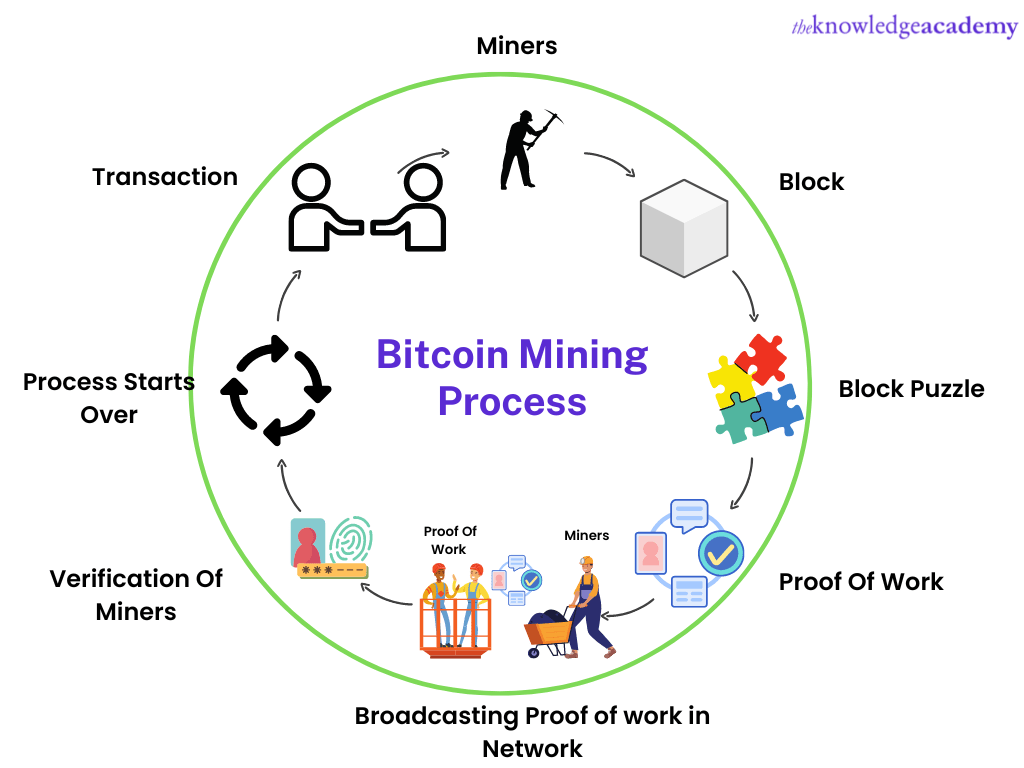
4. Environmental Impact and the Shift to Renewables
Bitcoin mining consumes significant energy, raising concerns among environmentalists and regulators alike. However, the industry is increasingly shifting toward renewable energy sources. Many mining operations now leverage hydro, solar, and wind power, making Bitcoin mining more sustainable.
In the future, Bitcoin’s sustainability narrative could shift from negative to neutral—or even positive—if mining catalyzes investment in renewable infrastructure. This transformation is essential for wider societal acceptance and long-term survival.
5. Bitcoin as a Geopolitical Tool
In a world of increasing economic uncertainty, Bitcoin offers an alternative financial system that transcends borders. For countries facing sanctions, inflation, or limited access to global banking, Bitcoin can be a lifeline.
There is potential for Bitcoin to play a role in global geopolitics—whether as a hedge against U.S. dollar dominance or as a tool for financial inclusion in underbanked regions. Governments may either embrace this shift or push back through strict control of digital financial infrastructure.

The Broader Crypto Ecosystem: Complementary or Competitive?
While Bitcoin leads the pack, it’s not the only influential crypto asset. Ethereum, Solana, Cardano, and others offer functionalities that Bitcoin lacks, particularly around smart contracts and decentralized applications. Rather than competing directly, these platforms often serve complementary roles.
For instance, Bitcoin is primarily seen as a secure store of value, while Ethereum powers the majority of DeFi and NFT platforms. In the future, we might see more interoperability between blockchains, creating a cohesive digital asset ecosystem where Bitcoin functions as the reserve currency.
What Could Go Wrong?
While the future is promising, there are significant risks to consider:
- Regulatory Overreach: Overly restrictive laws could force innovation into unregulated or offshore markets.
- Technological Stagnation: If Bitcoin fails to evolve alongside faster, more scalable blockchains, it may lose its competitive edge.
- Security Risks: While Bitcoin’s core protocol is considered highly secure, third-party services (like exchanges and wallets) remain vulnerable to hacks.
- Economic Crises: A global recession could lead to risk-off sentiment, pulling investment away from volatile assets like crypto.
- Public Perception: Media narratives and misinformation can shape public opinion rapidly, influencing adoption and price.
Final Thoughts: Bitcoin’s Role in a Digital Future
As we peer into the horizon, Bitcoin’s role in the future of finance, governance, and technology appears more crucial than ever. Its decentralization, fixed supply, and security make it a unique asset in a world increasingly leaning toward digitization and surveillance.
The crypto industry will continue to evolve—with new innovations, setbacks, and regulations—but Bitcoin’s foundational principles will likely anchor it amid the volatility.
Whether you’re a believer, a skeptic, or somewhere in between, one thing is clear: the crypto industry isn’t going away, and Bitcoin will remain at its center—shaping and being shaped by the world around it.
-
Crypto Regulations Worldwide, And What You Need To Know
Regulations regarding crypto industry are constant debate around the world, and have a huge impact on the cryptocurrency market. Mostly crypto law regulations affect people in the country they are from, but in some instances law changes regarding crypto in other countries can impact your crypto holdings. Lets dive deeper into what is the current state with crypto laws world wide, and what we need to pay attention to.
We are going to look into crypto regulations within USA, European Union, China, United Kingdom, India, Canada, Brazil, Australia, Japan and Singapore.
USA
The US market is arguably the most important of all because it is one of the largest crypto markets in the world. The second largest crypto exchange by volume, according to CoinMarketCap, in the world is Coinbase, which is located in the US and has to obey US laws and regulations. Kraken is the 3rd crypto exchange by volume in the world, according to CoinMarketCap, and is also located in the US, and under US crypto laws and regulations. A few other important crypto exchanges located in the US are eToro, Uphold, Binance US, Crypto.com, and Robin Hood.
The US government handed jurisdiction to existing market regulators Commodity Futures Trading Commission (CFTC) and Securities and Exchange Commission (SEC) to further regulate the crypto market within the US. SEC was involved in a lawsuit against Ripple Labs, that was ruled in Ripple’s flavor as of July 2023, declaring its native token XRP sales to institutional investors as a investment contract, while XRP sales to retail investors was not considered investment contract. In recent months SEC has been targeting crypto companies Coinbase and Binance, aiming to clear up their crypto offerings and offer more robust customer protection and security according to their Chairman Gary Gansler.
THE current US government is also planning to look more closely into digital asset exchanges, and try to asses the potential risk involved with decentralized finance (DeFi) and Non Fungible Tokens (NFT’S) sometime in 2023. We can expect more government regulations towards cryptocurrencies in the US in the near future if everything continues to go in the current direction.
European Union
Individual member states have option to regulate cryptocurrencies on their own terms, but as of now cryptocurrencies are legal in most of the EU members, with main difference being the taxes ranging from 0% to 50% depending on the country.
EU 5th and 6th Anti Money Laundering Directives were passed recently, with the main focus on mandatory KYC/CFT obligations and more standardized reporting requirements. In 2022 EU agreed upon implementation of Market in Crypto Asset Regulation (MiCA), which increases consumer protection, brings new licensing requirements and sets up easy to understand crypto industry conduct.
Earlier this year, EU parliament approved licensing requirements for certain crypto service providers, with the intention to have easier access to important information that can stop money laundering and terrorist funding using crypto.
China
The People’s Bank of China (PBOC) has a ban on all crypto exchanges within the country, and sees them as a place where public financing is made possible without approval. Furthermore, China considers cryptocurrencies as property and has placed a ban on Bitcoin mining in May 2021. This ban forced large Bitcoin mining operation in China to shut down or relocate to other legal jurisdictions. In September of 2021, China completely banned all cryptocurrencies and we are to see is this going to stay for good or just for a period of time.
In the meantime China has been working on digital yuan (e-CNY), and in August 2022, the first round of the digital pilot program was tested allowing China Central Bank to settle trades with Honk Kong, UAE and Thailand.
United Kingdom
In the UK cryptocurrencies are considered property (not a legal tender), and investors are still obligated to pay taxes on their crypto gains. The amount of taxation depends on the crypto activity and the personal financial situation.
Crypto exchanges have to register with the UK Financial Conduct Authority (FCA), and have to follow certain standards such as Know Your Client (KYC), combating and financing of terrorism (CFT) and anti-money laundering (AML). Crypto exchanges and custodian wallet providers have an obligation to comply with reporting rules set up by Office of Financial Sanctions Implementation (OFSI), and have to report any suspicious person that is a subject to sanctions or has performed a financial sanctions offense.
India
Crypto laws are not so clear in India, where government did not decided on legalization or ban of cryptocurrencies. However, there is a bill proposed in 2021 that aims to ban all private use of cryptocurrencies in India, but it has not been voted on by this day and it stays up in the air. Currently India enforces 30% taxes on all crypto investments, an 1% tax deduction on crypto trades.
It is safe to say that currently crypto investors in India do not have clear laws to follow, and it is to be seen what is coming next. Indian central bank did launch pilot program for digital rupee in late 2022, and we are yet to see where this will lead in the future to come.
Canada
Canada has advanced crypto regulation in comparison the the rest of the world. All crypto investment firms operating in Canada are required to register with the Financial Transactions and Report Analysis Centre of Canada (FINTRAC). Crypto trading platforms and crypto dealers withing Canada are required to register with regional regulators as set by Canadian Securities Administrators (CSA) and Investment Industry Regulatory Organization of Canada (IIROC).
Canada also became a pioneer in approving Bitcoin exchange traded fund (ETF), available on Toronto Stock Exchange. Cryptocurrencies are treated as commodities from taxation point of view within Canada.
Brazil
Brazilian government passed a law in November 2022, that legalized cryptocurrencies as form of payment throughout the country. This in return skyrocketed the adoption on digital currencies within Brazil. This law does not make cryptocurrencies a legal tender in Brazil but it includes it in the definition of payment method. There is still work to be done regarding this, and the government is still to decide which office will be in charge of monitoring this law when in it is fully approved. Bitcoin is not considered legal tender in Brazil and all the tokens that are considered securities will be under the jurisdiction of Brazilian Securities and Exchange Commission (CVM).
Australia
Crypto exchanges are allowed to operate withing Australia after they register with Australian Transaction Reports and Analysis Center (AUSTRAC) and meet set AML/CTF obligations. Australian Securities and Investments Commission (ASIC) set up regulations regarding Initial Coin Offerings (ICO) in 2019, banning the privacy coin offerings that had options of being anonymous and hiding the money flow on their network.
Australia considers crypto as a legal property, and therefore crypto is a subject to capital gains tax. Australia hinted in 2021 that they are looking into regulating cryptocurrencies by creating licensing framework that will set up rules withing the country.
Japan
Japan has a forward thinking approach towards cryptocurrencies, recognizing them as legal property under Payment Services Act (PSA). The country classifies crypto trading gains as miscellaneous income and taxes it accordingly. All crypto exchanges operating in Japan are obligated to register with a Financial Services Agency (FSA), and follow AML/CFT obligations. All crypto exchanges withing the country are members of Japanese Virtual Currency Exchange Association (JVCEA), that was established in 2020.
Japanese government introduced plans to fight money laundering through crypto exchanges and introduced The Act of Prevention of Transfer of Criminal Proceeds which will be revised to collect customer information, with remittance rules started in May 2023.
Singapore
Singapore classifies cryptocurrencies as property. Long term capital gains in Singapore are not taxed, and many crypto traders move there in order to keep their entire gains. However, companies are not exempted of taxes on their crypto gains, and in this case it is treated as income. All exchanges within the country are regulated and licensed by Monetary Authority of Singapore (MAS)..
Conclusion
Since crypto inception in 2009, there has been ongoing debate about its regulations and legality. We can observe that, as crypto evolves, regulations do as well tryin to keep up. It is an ongoing process, that is a subject to controversy, constant debate, adjustment and efforts to understand the industry as whole while putting an end to fraudulent activities. We as users have to be aware of crypto regulations in our country of residence to stay withing the legal framework and to be able to profit in best way possible.
-
Difference Between Web 2.0, 2.5 and 3.0,And How To Benefit.

Web 2.0 is the present state of the web where users can interface with the online games, but are totally dependent on the developers and centralized servers that run the game. Web 2.5 is the next step in web evolution that is already in use, offers some decentralization mainly through NFTs and crypto wallets, and is getting the users ready to embrace the next step in the evolution, Web 3.0. Web 3.0 offers complete decentralization, improved security and freedom.

Source: EastMojo
Web 2.0
Web 2.0 is what is mostly used today, with websites and games that allow
users to interact with each other and the online content on it. Web 2.0 has its
limitations and downsides, and arguably the biggest one being centralization.
Centralization in this context means the power developers, or institutions have
over the particular video game or website. For example, you are a gamer that
plays Call of Duty or Fortnight, and you are able to trade within the game for
weapons, armor, pets etc. All this trade is typically done online with game-limited,
non crypto currency that is completely controlled by game developers or large
multimedia companies, and it runs on centralized servers. This poses a high
risk for gamers and they are essentially left dependent on the mercy of the
game developers. If game developers decide to change the game up, or implement
new upgrades, previous assets used within the game might become obsolete and
players hard work might be for nothing. The same goes for the dependency on
the centralized servers, which might go offline or fall victim to cyber-attacks
that can shut the game down, and all the hard work players put in again goes
down the drain irreversibly. For all these reasons, and for continuous web
development Web 2.5 was created as a bridge to the upcoming Web 3.0.Web 2.5 – The Bridge
Web 2.5 is, as the name suggests, an upgraded version of Web 2.0. The main
difference between the two is the decentralized control players have over their
in-game assets and their data. The biggest change is the introduction of NFTs
(Non-fungible Tokens), which gives users real control over their in-game assets
and the ability to trade them as they see fit, without outside control. Another
major change is the ability to trade in game-earned assets for Cryptocurrencies
and create real-world value. This was the catapult for play-to-earn concept,
that allows players to earn real money within the game. This led to the
integration of crypto wallets that allow users to store, trade, and track their
in-game earned tokens and cryptocurrencies. Why Web 2.5 is still only a bridge
between Web 2.0 and Web 3.0 is the fact that some centralization is still
actively present. Developers still control the in-game currency value, how
in-game assets work and their value, the effectiveness of the weapons, the
gamer community structure, and essentially the value of all in-game items.
Therefore the shift to Web 3.0 is essential, and it will bring all the benefits
that Web 2.5 and Web 2.0 are lacking.Web 3.0 – The Future
Web 3.0 is a decentralized future that we all have been waiting for. Compared to current Web 2.0 and Web 2.5, Web 3.0 promises to deliver full decentralization to its users, with more security, freedom, and stability. Instead of previously mentioned centralized servers
that host Web 2.0 and Web 2.5 (for the most part), Web 3,0 will host its games
on independent nodes, that run on a network of computers. Being structured in
this way, Web 3.0 is much harder to hack, because hacking cannot affect all the
network at once, but instead only parts of it, while other nodes keep the game
going regardless of the hacked part. This truly creates games that all always
online, and puts user security on a new level.One of the things that are important to note is that Web 3.0 will be designed
for everyone, but not all people will be comfortable using it due to its
complexity. For someone familiar with cryptocurrency and blockchain
technology Web 3.0 will be a great asset and relatively easy to use. On the
other hand for those people who are not familiar with blockchain or the cryptocurrency
world, Web 3.0 can be confusing and they will need to learn the basics to start
with. I am referring to the use of crypto wallets, trading of cryptocurrencies,
using seed phrases, NFTs, and all the other elements that are part of this
world, which will require new users to learn it before they can actively
participate in Web 3.0.On top of this, blockchain can consume a lot of computing power if it is
used extensively, and if too much data is stored on it. This might result in
scalability issues as well as number of transactions that can be processed per
minute.Currently, we can see the pioneers of Web 3.0 such as Decentraland and
Sandbox paving the way, and showing how this development can be used and
implemented. In the end, the blockchain was born with the vision of the future,
and constant innovation and development are in its DNA. Web 3.0 is one of the
biggest milestones on this journey and we can sit back and see what is to come
shortly and how we can benefit from all of it.