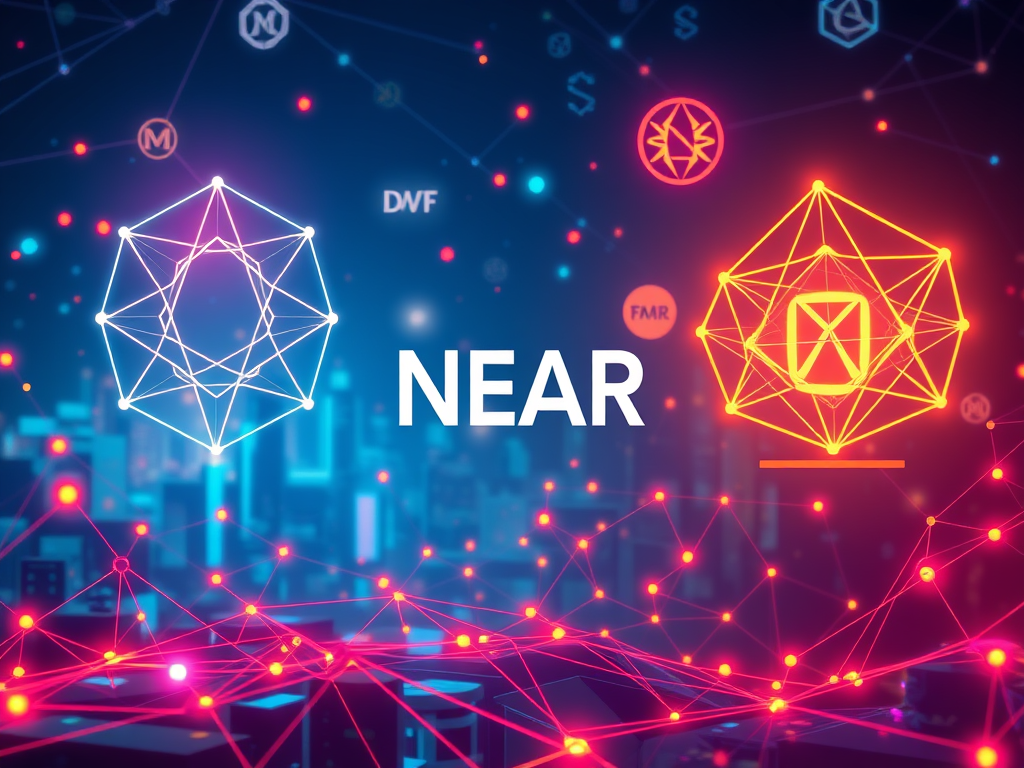
In the evolving world of blockchain technology, NEAR Protocol (NEAR) stands out as a next-generation platform focused on usability, performance, and developer accessibility. Designed to power decentralized applications (dApps) at scale, NEAR combines sharding technology with user-friendly features to create a powerful, permissionless layer-one blockchain. As the crypto market seeks alternatives to Ethereum’s congestion and high fees, NEAR emerges as a strong contender.
In this article, we explore the use cases, adoption trends, strengths, weaknesses, competitor comparisons, and future price predictions of NEAR Protocol — giving you a complete overview of what makes NEAR a project worth watching.
What is NEAR Protocol?
NEAR Protocol is a decentralized, open-source, proof-of-stake blockchain built to support high-performance decentralized applications. It uses a unique scaling solution called Nightshade sharding, which splits the blockchain into multiple pieces (shards), allowing parallel transaction processing and significantly improving scalability.
What sets NEAR apart is its focus on developer and user experience. With human-readable account names (e.g., “john.near” instead of long cryptographic strings), easy wallet integration, and low transaction fees, NEAR aims to make blockchain accessible for mainstream users and developers alike.
Real-World Use Cases of NEAR Protocol
NEAR has a growing ecosystem of dApps and real-world applications across multiple sectors. Some notable use cases include:
1. Decentralized Finance (DeFi)
NEAR is becoming a home for various DeFi protocols such as Ref Finance, Burrow, and Aurora — an Ethereum Virtual Machine (EVM) built on NEAR. Aurora allows developers to run Ethereum-compatible smart contracts at a fraction of the cost.
2. NFT Marketplaces
The NEAR ecosystem supports NFT projects and marketplaces like Paras and Mintbase, which offer low-cost minting and seamless UX/UI experiences. This reduces barriers for artists and collectors to enter the NFT space.
3. Gaming and Metaverse
Play-to-earn (P2E) and blockchain-based gaming platforms such as Near Lands and Reality Chain leverage NEAR’s scalability and speed for immersive experiences.
4. Sustainable and Social Projects
NEAR supports several initiatives related to climate, regenerative finance (ReFi), and DAOs (Decentralized Autonomous Organizations), aiming to build a more equitable and sustainable future.
Adoption and Ecosystem Growth
Since its mainnet launch in October 2020, NEAR has seen steady adoption by both users and developers. As of mid-2025, NEAR has:
- Millions of accounts and wallets created.
- Hundreds of active developers and contributors.
- A growing number of bridges to other chains (e.g., Ethereum, Solana, Cosmos).
- Strong support from the NEAR Foundation and funding from VCs such as Andreessen Horowitz and Pantera Capital.
The launch of the Blockchain Operating System (BOS) in 2023 was a significant milestone. BOS is a composable, chain-agnostic layer designed to make Web3 apps more accessible — aiming to unify fragmented blockchain user experiences.
Advantages and Strengths of NEAR Protocol
NEAR boasts several advantages that differentiate it from competitors:
1. High Throughput and Scalability
Thanks to Nightshade sharding, NEAR can handle thousands of transactions per second (TPS), scaling horizontally as the number of validators increases.
2. Low Fees
Transactions on NEAR cost just a fraction of a cent, making it ideal for microtransactions and user-friendly dApps.
3. Developer-Centric
NEAR offers robust SDKs, easy smart contract deployment in multiple languages (including Rust and JavaScript), and a supportive community.
4. User-Focused UX
Features like email-style addresses, simplified onboarding, and seamless wallet integration make NEAR highly accessible, even to non-technical users.
5. Interoperability
Through Rainbow Bridge and Aurora, NEAR can seamlessly interact with Ethereum assets and dApps, increasing its utility and liquidity.
Weaknesses and Challenges
Despite its strengths, NEAR is not without challenges:
1. Lower Brand Recognition
Compared to giants like Ethereum and Solana, NEAR still lags in mainstream brand awareness and developer mindshare.
2. Competition in Layer-One Space
The L1 space is crowded with platforms like Avalanche, Polkadot, and Cardano all vying for dominance. Gaining market share remains a constant battle.
3. Limited Institutional Adoption
While the ecosystem is growing, NEAR still has fewer major institutional partnerships compared to Ethereum or Polygon.
4. Dependence on Ecosystem Development
NEAR’s success heavily relies on continued growth of its ecosystem. If developer interest stalls, adoption may suffer.
NEAR vs. Its Biggest Competitors
Let’s briefly compare NEAR with some of the most prominent Layer-1 protocols:
| Feature | NEAR | Ethereum | Solana | Avalanche |
|---|---|---|---|---|
| Consensus | Proof-of-Stake | PoS (since Merge) | PoH + PoS | Snowman PoS |
| TPS | ~100,000 (theoretical) | ~30-50 | ~65,000+ | ~4,500 |
| Fees | Extremely low | High | Low | Moderate |
| Interoperability | High (via bridges) | High | Moderate | Moderate |
| EVM Compatible | Yes (Aurora) | Native | Not directly | Yes |
NEAR offers a compelling balance of speed, cost-efficiency, and developer friendliness — making it one of the most well-rounded platforms in the space.
Price Outlook and Future Predictions
As of mid-2025, NEAR is trading in the range of $5 to $7, recovering steadily from the broader bear market in 2022-2023. Based on current trends and increased adoption, here are a few future price scenarios:
Short-Term (2025)
If bullish momentum continues and more dApps launch on the BOS, NEAR could see prices between $10 to $15 by year-end.
Mid-Term (2026)
With strong partnerships, growing developer interest, and a broader crypto bull run, NEAR may push towards the $20 to $30 range.
Long-Term (2027 and beyond)
If NEAR cements itself as a leading platform for mainstream blockchain apps, it could rival the likes of Solana or even approach $50+, depending on market conditions and technological advancements.
Final Thoughts: Is NEAR a Sleeping Giant?
NEAR Protocol is more than just another blockchain. It represents a serious attempt to solve many of the core usability and scalability challenges plaguing existing networks. With innovative features, a passionate development team, and a growing ecosystem, NEAR has the potential to become a foundational layer of Web3.
Whether you’re a developer, investor, or just crypto-curious, NEAR is a project worth keeping an eye on. Its balance of technical excellence, user-focused design, and visionary leadership position it as a strong contender in the race for blockchain adoption.
As the industry matures, NEAR may just become the go-to platform for building the future of decentralized applications.
 Cryptobuildup.com